
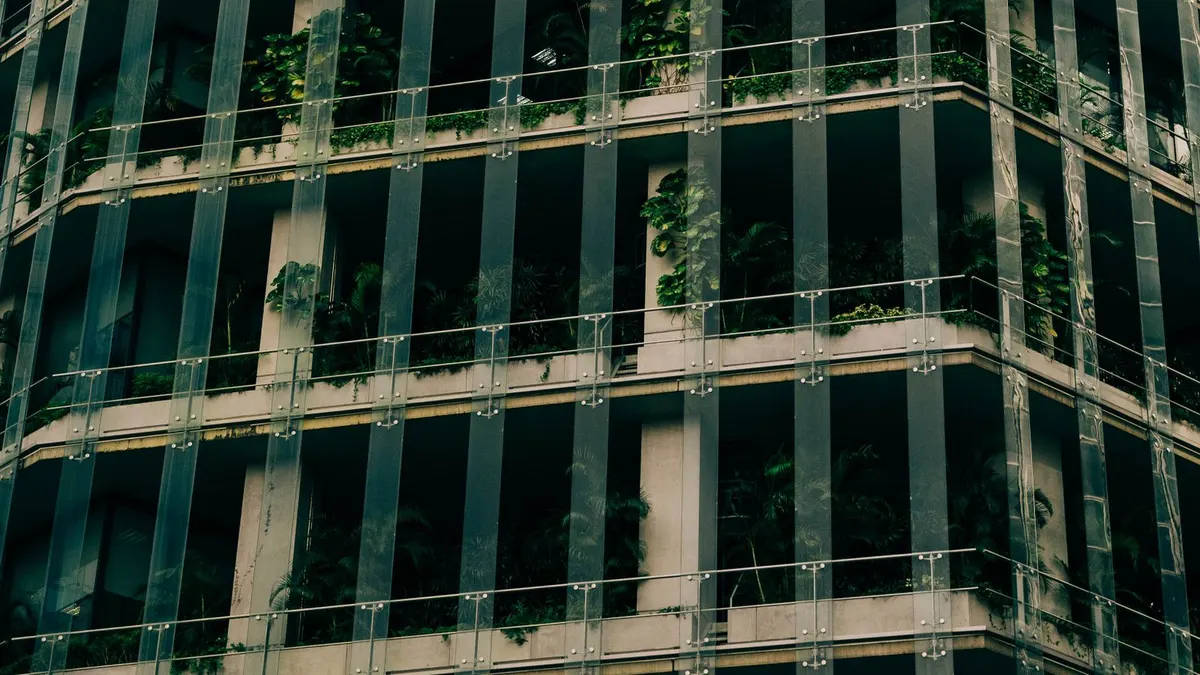
Commercial Landscaping and Property Value: What Curb Appeal Is Worth
Tenants tour the grounds before they tour the suite. Why commercial landscape maintenance is a value play, not a beautification budget line.
Read the article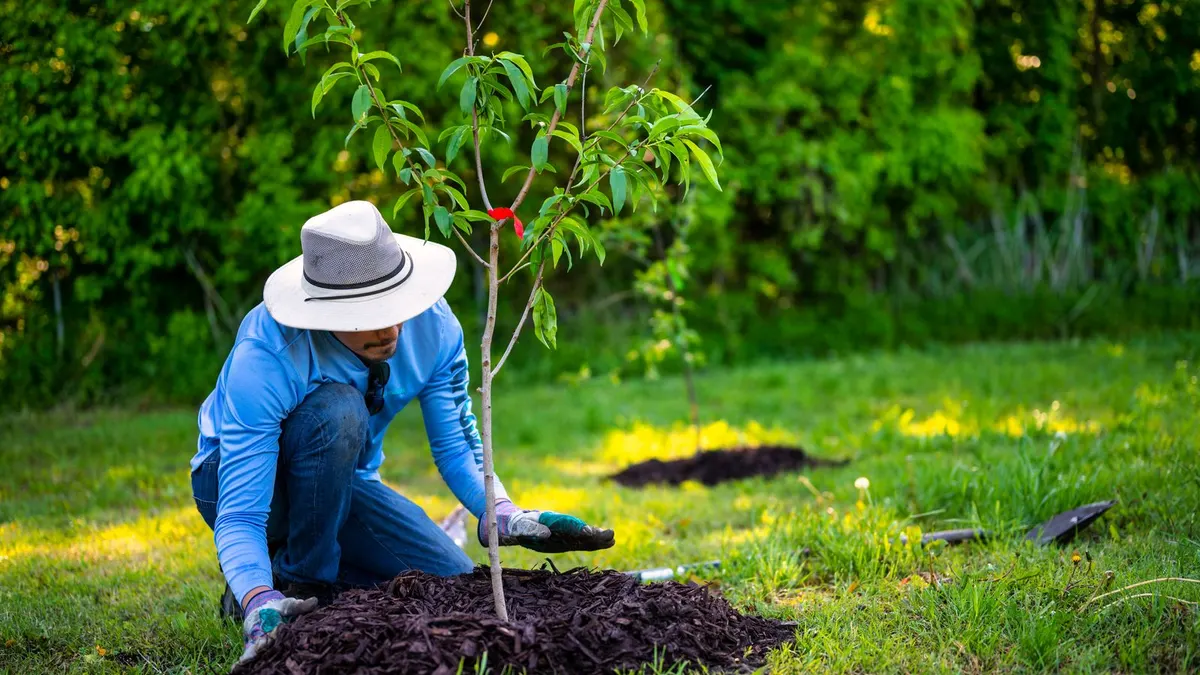
If a commercial property only budgets one landscaping upgrade a year, it should be mulch. An annual mulch refresh is the highest-leverage line in grounds care: it suppresses weeds, holds moisture, protects plant roots, and makes every bed on the site read as finished from thirty metres away. It is also the difference between a landscape that survives August and one that spends it dying quietly.
A proper eight-centimetre mulch layer blocks the light weed seeds need, which cuts weeding visits all season and keeps beds presentable between them. It buffers soil temperature through tri-cities freeze-thaw swings, which protects roots in both directions: from the January deep freeze and from the July bake. And it holds moisture through dry stretches, which keeps shrubs alive on sites nobody waters, which is most commercial sites.
There is a soil story underneath too. Natural mulches break down into organic matter, feeding the soil that feeds the plants. Beds mulched annually for five years have visibly better soil than beds left bare, and the plants show it.
Shredded hardwood or cedar suits most commercial applications: it knits together, stays put on slopes, and breaks down into the soil. Dyed mulches hold colour longer where branding consistency matters across a multi-building site; just buy quality, because cheap dyed product fades to grey by August and defeats the purpose. Skip stone mulch beside turf and entrances; it migrates, it heats the soil, and every piece that reaches the lawn becomes a mower projectile.
Keep mulch pulled back from trunks and stems. The volcano piled against a tree is the most common paid mistake in commercial landscaping, and it slowly kills the tree it is supposed to dress by rotting the bark and inviting girdling roots.
Late spring, after beds are cleaned and edged, is the ideal window. Most sites need a full top-up annually and a light refresh at mid-season on high-visibility entrances. Edging first is what makes the result look sharp; mulch spilling onto turf reads as sloppy no matter how fresh it is. On large sites we sequence it: entrances and street-facing beds first, interior courtyards after, so the visible money lands where it is seen.
Mulch is the rare line that shows up in photographs and in the maintenance ledger at the same time: fewer weeding hours, fewer replacement plants, better curb appeal that supports the rent roll. For most sites it costs less than one month of the landscaping complaints it prevents.
For anyone budgeting it: a cubic yard of mulch covers roughly ten square metres at proper depth, and an average commercial frontage runs a handful of yards per season. Order by the bed measurements rather than the guess, because the half-done look of mulch that ran out mid-property is worse than none at all. Delivery, spreading, and the pre-mulch edging are where the labour actually lives, which is why the installed price and the bag price are different conversations.
North Bear Land & Snow Inc. includes edging, bed cleanup, and mulch in landscaping programs across Cambridge and the rest of the tri-cities. Request a quote and we will walk your property within 24 hours. Call (519) 400-1338.
Tenants tour the grounds before they tour the suite. Why commercial landscape maintenance is a value play, not a beautification budget line.
Read the articleBeds that hold their shape, plants that survive zone 5 winters and road salt, and structure that looks good even in November.
Read the articleFast quotes, reliable crews, and commercial site visits within 24 hours.