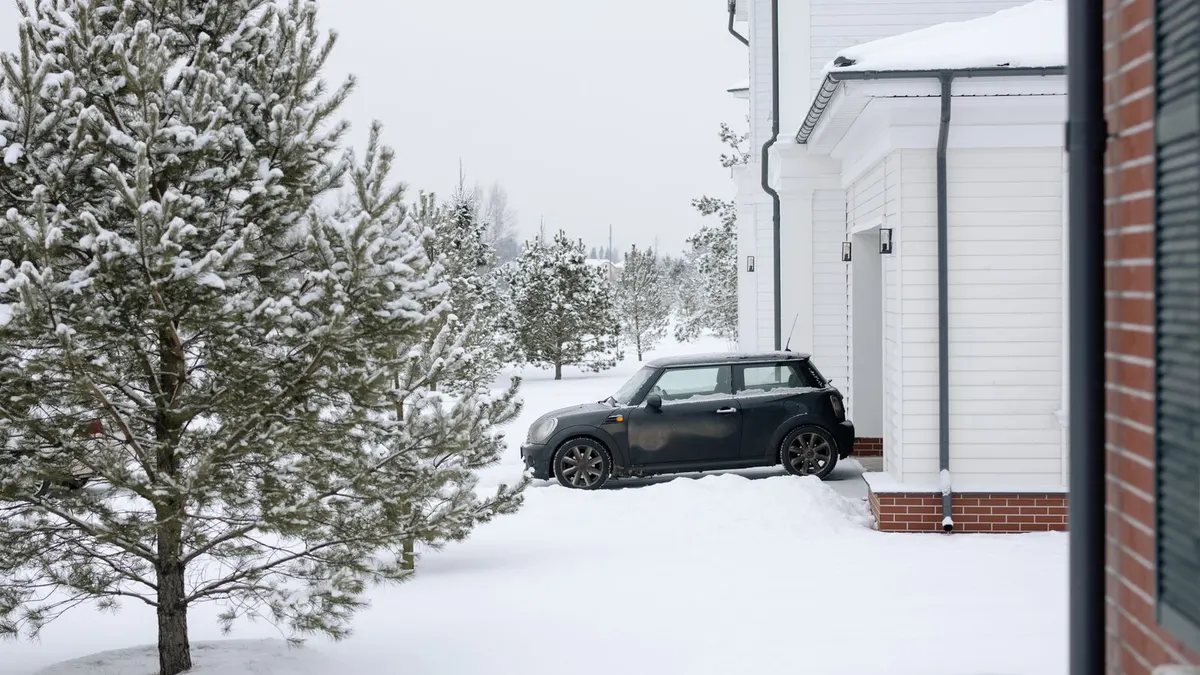

What Does Snow Removal Cost in Kitchener-Waterloo?
Seasonal residential contracts, commercial lots, salting programs: an honest look at what drives snow removal pricing in the tri-cities.
Read the article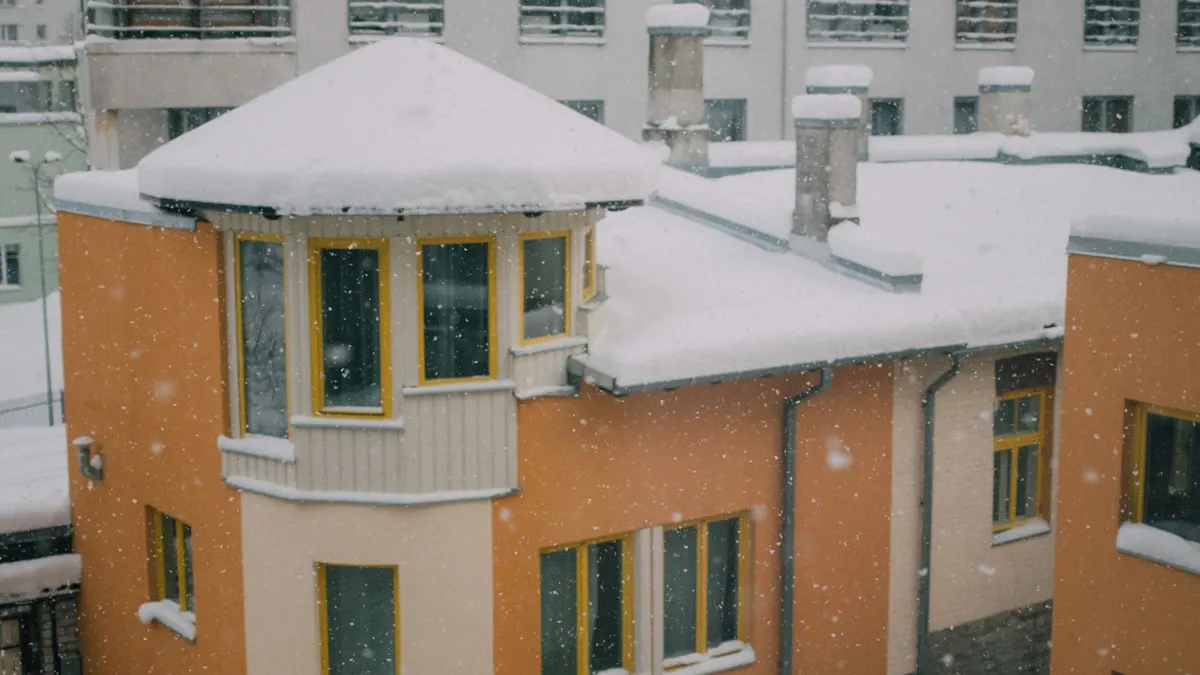
From the sidewalk, snow removal looks like one trade. In practice, residential snow removal and commercial snow removal are different jobs with different equipment, timing, and stakes, and hiring the wrong kind of provider is how properties end up disappointed by February. Knowing the difference makes you a sharper buyer of either one.
Residential routes run on a trigger depth and a route order, with the goal of every driveway open before the morning commute. The whole system is built around density: a tight route of nearby homes cleared in an efficient sequence. Commercial sites run on business hours and liability instead: a plaza must be clear, salted, and documented before the first customer parks, which usually means overnight work, storm monitoring, and returns during long events. One is a morning promise; the other is an around-the-clock operation.
A pickup with a blade handles driveways well. A commercial lot needs heavier plows, a salting unit, and a separate walkway crew with blowers and spreaders. The walkway crew is the part lowball commercial quotes quietly skip, and it is exactly where slip claims happen. Equipment redundancy matters too: residential customers tolerate an hour's delay when a truck breaks; a distribution centre with a 5 AM shift does not.
A missed driveway is an inconvenience. A missed commercial walkway is a legal exposure. Commercial service should come with liability insurance and service logs showing when the site was plowed and salted. If a provider cannot produce either, they are a residential operator taking commercial money. On the flip side, homeowners do not need to pay for documentation infrastructure; they need reliability, careful work around cars and lawns, and compliance with the sidewalk by-law clock.
Residential scope is compact and stable: driveway, walkway, steps, maybe sidewalk and salt. Commercial scope sprawls: drive lanes, fire routes, accessible spaces, loading docks, cart corrals, entrances, dumpster access, and stacking plans, each of which has to be named in the contract. Residential winters end when the driveway melts; commercial winters end with a spring walk-through, damage review, and often a cleanup pass where the snow piles sat.
North Bear Land & Snow Inc. runs dedicated residential routes and separate commercial crews across Kitchener, Waterloo, and Cambridge, so neither side of the business borrows equipment or time from the other. Homeowners get reliable morning clearing without competing against a plaza emergency; commercial sites get 24-hour site visits, documented service, and real ice management without a residential route dictating the schedule.
Some properties genuinely sit between the two worlds: the corner store with three parking spots, the duplex with a shared drive, the home office that sees client visits. For those, buy the commercial habits at residential scale, a defined trigger, walkway and entrance care, and salting where customers step, without paying for documentation infrastructure you do not need. A provider that runs both kinds of routes can build exactly that middle plan instead of forcing you into the wrong template.
Whichever side of the line your property sits on, the questions are the same: who exactly shows up, when, with what backup, and what is written down. Call (519) 400-1338 and we will answer all four before you sign anything.
Seasonal residential contracts, commercial lots, salting programs: an honest look at what drives snow removal pricing in the tri-cities.
Read the articleRoutes fill before the first flurry. The booking timeline that guarantees your driveway or lot is covered before the season's first storm.
Read the articleFast quotes, reliable crews, and commercial site visits within 24 hours.