The Complete Fall Yard Cleanup Checklist for the Tri-Cities
Leaves, beds, lawn, and the things everyone forgets. The full shutdown list that protects your property before a Kitchener-Waterloo winter.
Read the article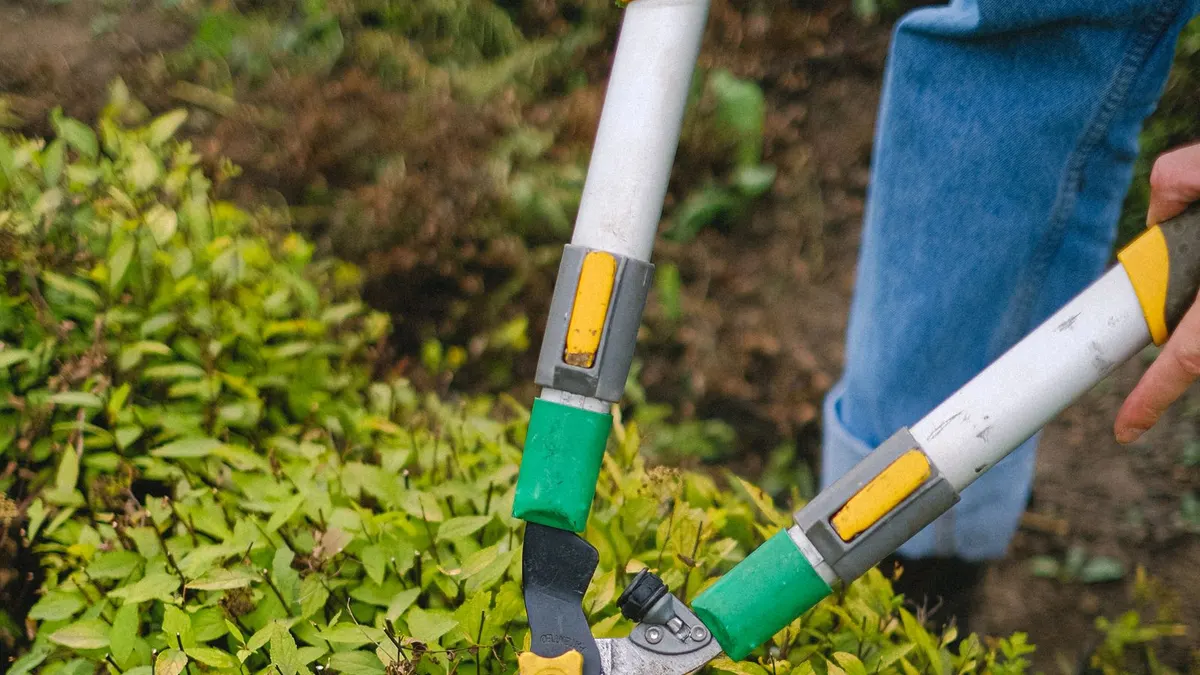
Most shrub damage we see in the tri-cities is not neglect; it is enthusiasm on the wrong date. Trimming is good for almost every shrub and hedge, but the calendar decides whether a cut helps the plant or costs you a year of flowers, and in a few cases whether the plant survives the winter that follows.
Spring-flowering shrubs like lilac, forsythia, and weigela set next year's buds soon after blooming, so trim them right after the flowers fade and never in fall; a fall cut removes the entire next spring's show. Summer bloomers like spirea and potentilla flower on new growth, so an early spring shape-up suits them perfectly. Formal hedges, cedars, and boxwood take their main trim in late June once the spring flush finishes, with a light touch-up in early fall if the lines have blurred.
Evergreens have their own rule: stop shearing cedars and junipers by late summer so new growth can harden off before frost. A cedar sheared in October goes into winter with open wounds and soft tips, and it shows the damage until July.
Skip heavy trimming in the August heat, when open cuts stress plants that are already rationing water. The other pause matters more than people expect: birds nest in hedges through late spring, and it is both kind and legally wise to check before cutting into a dense hedge in May and June. Federal law protects active nests, and a thirty-second look saves everyone a bad afternoon.
The one-third rule applies to shrubs as much as lawns: never remove more than a third of the plant in one session. Formal hedges should be trimmed so the base stays slightly wider than the top, which keeps the lower branches in light and prevents the bare-legged look old hedges get. A badly overgrown shrub is a two-season rehabilitation, not one heroic cut; take a third this year, a third next, and the plant rebuilds dense and green instead of shocked and woody.
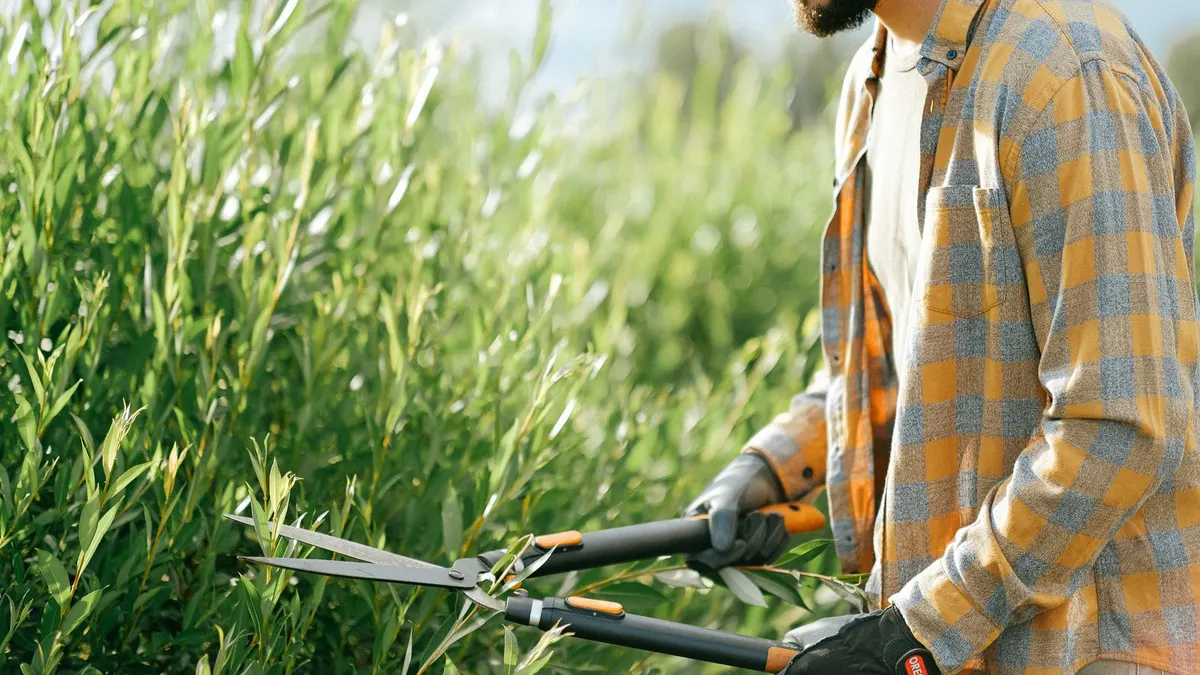
Sharp tools cut; dull tools crush and tear, and every crushed stem browns. Hand pruners for anything thicker than a pencil, shears for surface shaping, and a clean-up pass inside the shrub to remove dead wood while you are there. Then rake and haul the clippings; debris left in the bed invites the fungal problems you were trimming to prevent. It is the same one-visit discipline as a proper fall cleanup: the job is not done until the evidence is gone.
Shared and boundary hedges deserve one extra sentence: trim your side and the top up to the property line, and talk to the neighbour before any major height reduction on a hedge you both live with. Most hedge disputes start as surprise haircuts. A five-minute conversation, and ideally a shared bill, keeps the hedge even and the fence line friendly.
If you would rather hand the calendar to someone who tracks it for a living, our shrub and hedge trimming visits are timed to the species, not the route. One visit or a season program, across Kitchener, Waterloo, and Cambridge. Call (519) 400-1338.
Leaves, beds, lawn, and the things everyone forgets. The full shutdown list that protects your property before a Kitchener-Waterloo winter.
Read the articleWinter is hard on a yard. The order of operations that gets a tri-cities property ready for the growing season in one weekend or one visit.
Read the articleFast quotes, reliable crews, and commercial site visits within 24 hours.