
A Lawn Care Calendar for Kitchener-Waterloo: What to Do and When
From April rake-out to November shutdown, the month-by-month rhythm that keeps a tri-cities lawn thick, green, and ahead of the weeds.
Read the article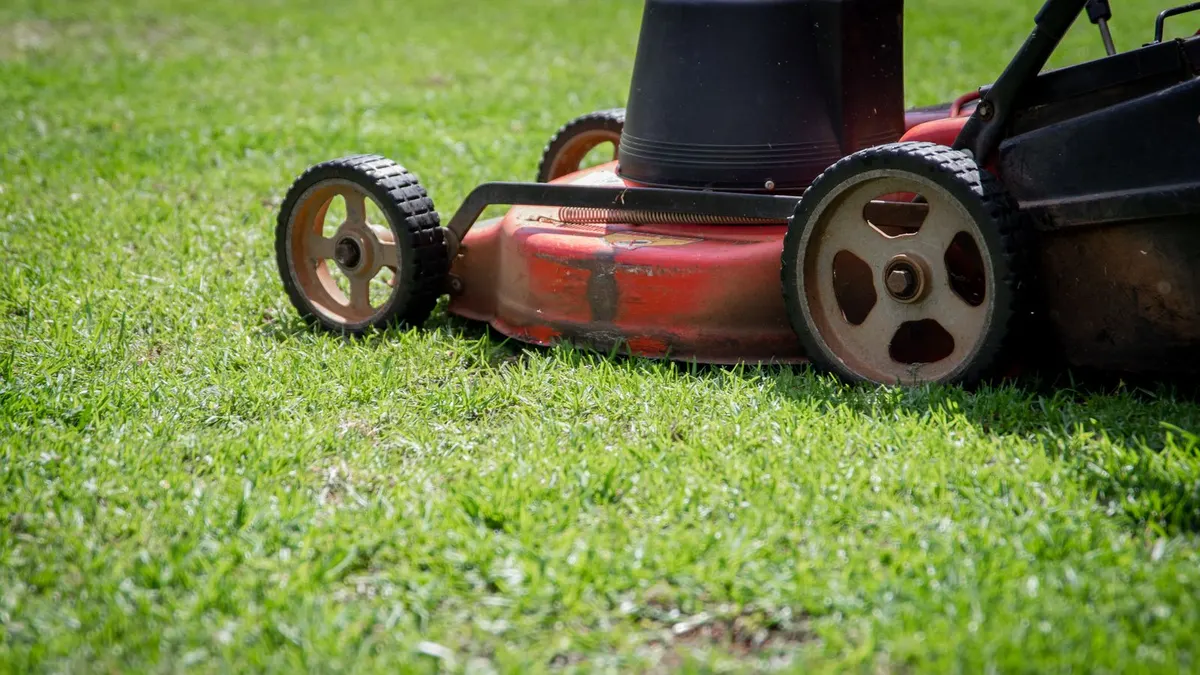
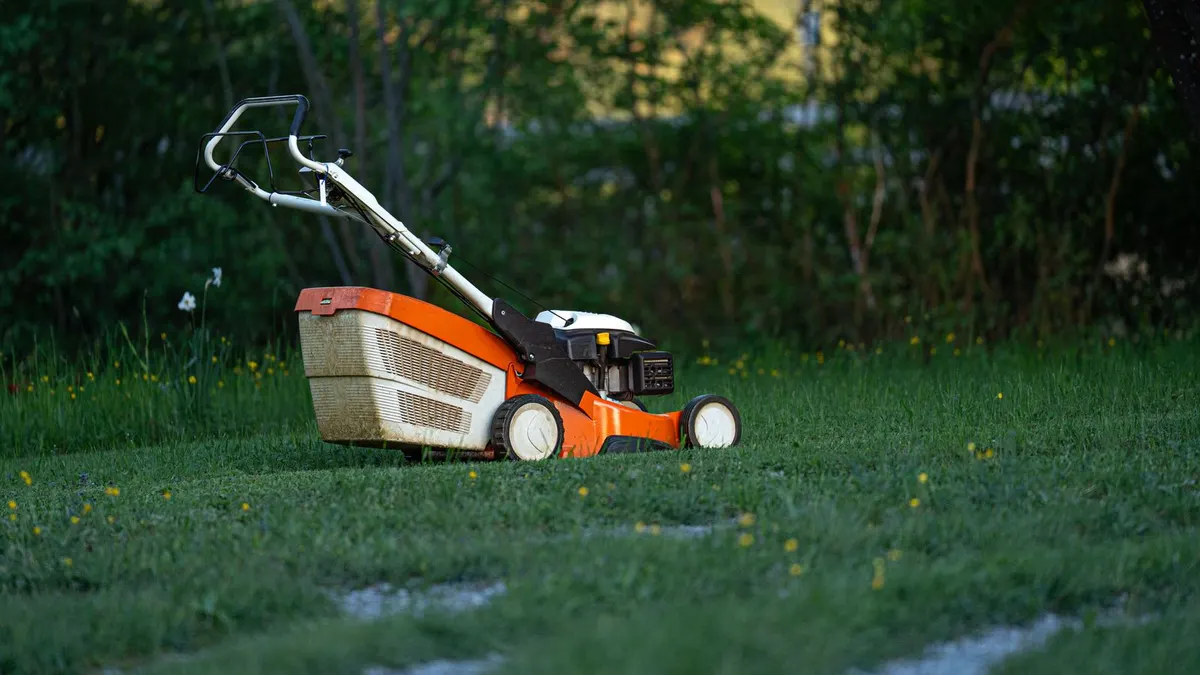
The honest answer is: as often as the grass grows, and in southern Ontario that changes month to month. The useful rule is not a fixed interval but a ratio. Never cut more than one third of the blade height in a single mow. Everything else about mowing frequency follows from that single number.
Cool-season grasses, which is what tri-cities lawns are, surge in late May and June. In that window a lawn can need cutting every five to seven days to stay inside the one-third rule. Cut more than a third at once and the plant stalls, browns at the tips, and thins, which is exactly how weeds get their opening. The scalped-then-abandoned lawn is the most common pattern on the street: mowed short to buy an extra week, stressed by the cut, and colonized by crabgrass within a month.
Keep the deck around eight centimetres, roughly three inches. Taller grass shades its own roots, holds moisture through hot spells, and starves weed seedlings of light. The tight golf-green look on a home lawn is a losing fight in this climate; greens are a different grass species with irrigation and a full-time staff. On a Kitchener lawn, short means brown by August.
In July and August growth slows and biweekly cutting is often enough, especially on unwatered lawns. Mowing a drought-stressed lawn short in the heat is the most common self-inflicted lawn injury we see. Raise the blade, slow the schedule, and the lawn rides it out. If it goes fully brown and dormant, stop cutting entirely until rain brings it back; there is nothing growing to cut.
A dull blade tears instead of slicing, and every torn tip browns and invites disease. Sharpen at least once a season, twice if the lawn is large. Mow when the grass is dry if you can: cleaner cut, no clumping, no ruts. Leave the clippings down unless they are heavy; they feed the lawn, and the thatch fear is mostly myth on a lawn cut at the right frequency. Clippings pair well with a sensible fertilization program, covering a surprising share of the lawn's nitrogen needs for free.
Keep mowing into fall as long as the grass grows, and take the final cut of the season slightly shorter so the turf mats less under snow. That one adjustment is cheap insurance against spring snow mould.
Change the direction every few cuts, too. Mowing the same lines every week trains the grass to lean and wears ruts into the lawn; alternating passes, lengthwise one week, crosswise or diagonal the next, keeps the blades upright and the cut even. It is the same reason ball parks stripe their outfields, minus the roller: pattern rotation is good turf care that happens to look sharp from the street.
If the schedule is the part you do not have time for, our lawn mowing routes in Kitchener flex with the season automatically: weekly through the surge, adjusted through the lull, done properly every visit. Call (519) 400-1338.
From April rake-out to November shutdown, the month-by-month rhythm that keeps a tri-cities lawn thick, green, and ahead of the weeds.
Read the articleCustomers judge a business by its grounds long before the front door. What consistent commercial grass cutting looks like and what it signals.
Read the articleFast quotes, reliable crews, and commercial site visits within 24 hours.